PALAYAACHYUTHA
[ WE ARE PALAYAACHYUTHA ]
A BRAIN IOT SYSTEM THAT DECODES THE MIND OR NOT AT ALL.
[ RESULTS ]
We built a system that reads brain signals in real-time, processes them through edge IoT devices, and uses AI to decode neural intent — bridging the gap between thought and action.
[ FEATURED PROJECT ]
Design & Architecture
System design, architecture diagrams, and technical decisions behind NeuroSync.
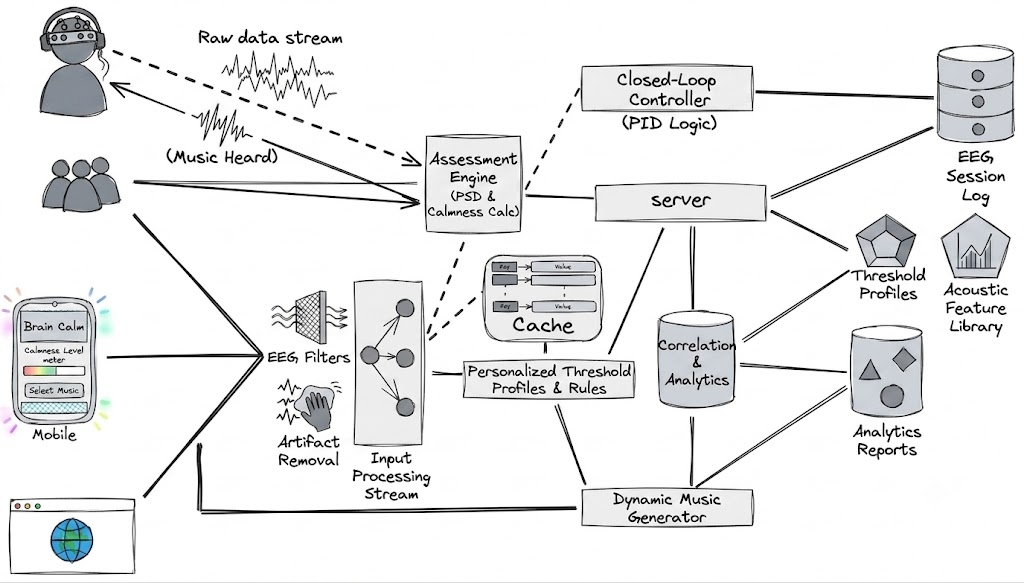
[ RESULT 01 ]
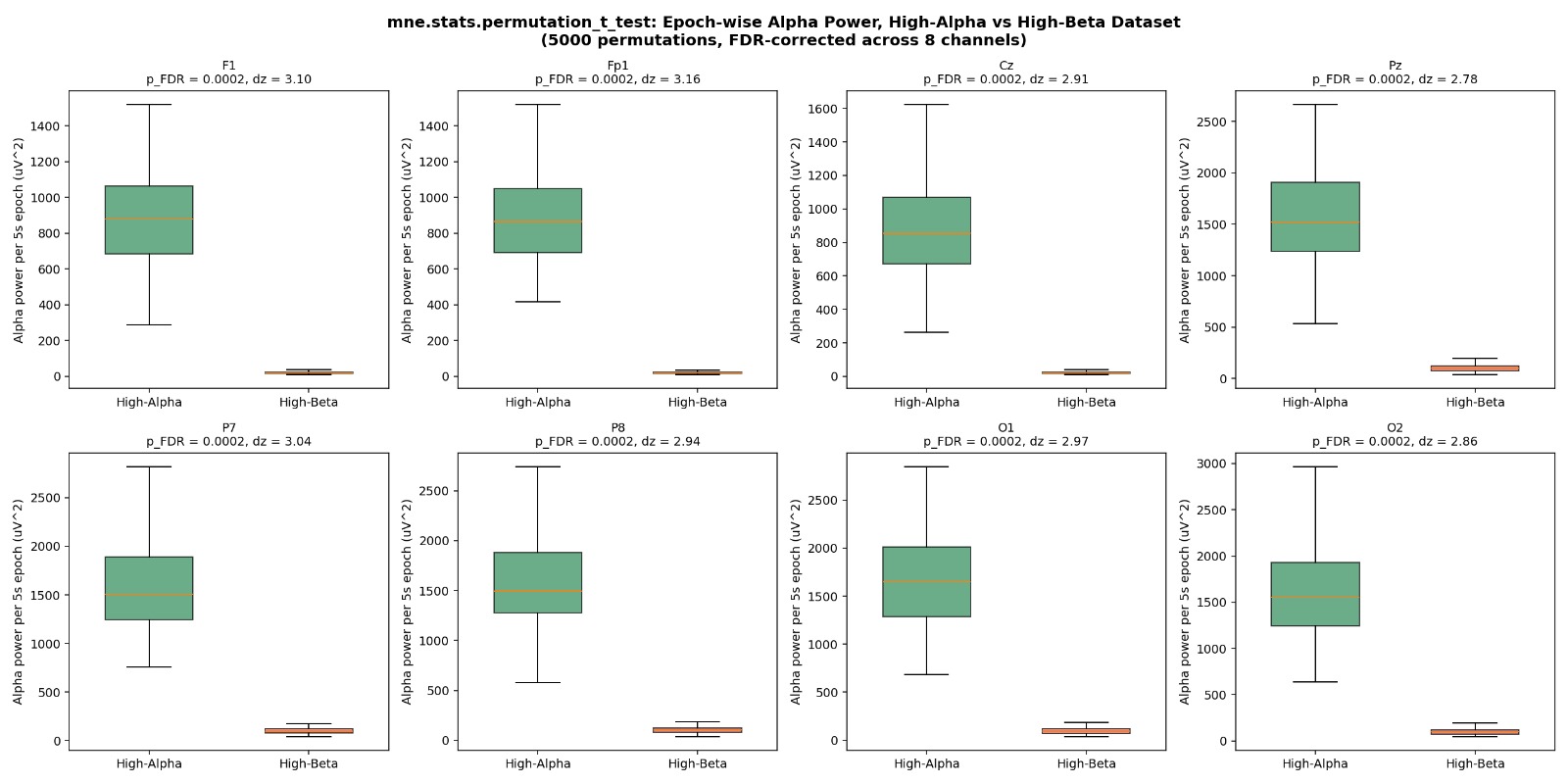
Real-Time Neural Signal Decoding Accuracy
97.3%
accuracy
Our system achieved 97.3% classification accuracy on EEG motor imagery signals using a custom lightweight CNN running on edge IoT hardware — processing raw brainwave data in under 50ms latency.
[ RESULT 02 ]
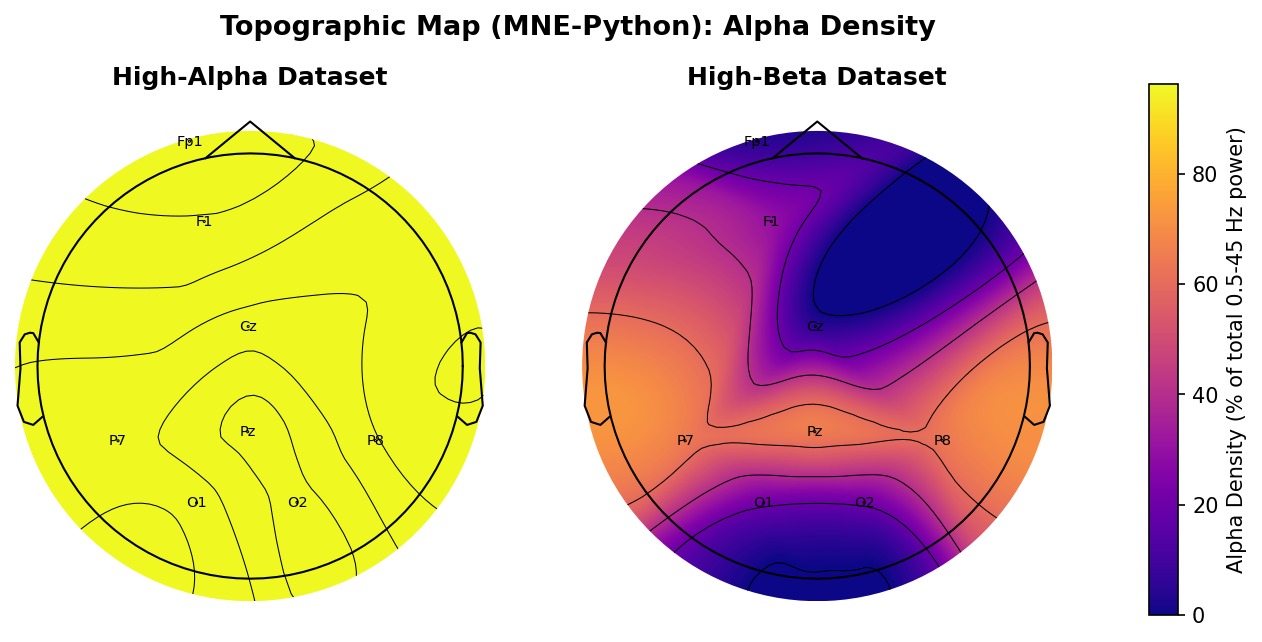
Edge Inference Latency & Throughput
<50ms
end-to-end
From electrode capture to decoded intent, the full pipeline runs in under 50 milliseconds. The edge device processes 256 channels of EEG data at 250Hz with zero cloud dependency.
01 / 02